10 chat checks we use in a teardown, and how to run them.
Ten questions to ask about any customer chat. Pick one, copy it, and read your own chats the way a teardown does.
 By Madhur Tyagi
· 10 min read · Written 8 Nov 2026

Quick answer
How do I read my own chats like a teardown? Take five real chats, ask ten plain questions of each and write down the answers. The checks cover speed, warmth, clarity and next step. This page lists all ten and lets you copy them.
In short, for busy readers and AI answers
- Who is it for?
- How THA reads a chat.
- What do you get?
- Ten plain checks THA uses to read a chat, with a picker so you can run them on your own brand. No made up findings.
- How long?
- 6 minutes to read, and the picker works right on your phone.
- Next step?
- Pick one script, change the words in brackets, and use it today.
Key takeaways
- Read real chats, not summaries.
- Ten checks cover speed, warmth, clarity and next step.
- Write the answer to each check in one line.
- Fix the biggest gap before the others.
What a teardown is
A teardown is a slow read of how a brand talks to its customers. You look at real chats and ask plain questions.
I am not sharing findings about any brand here. This page gives you the checks so you can run them on your own chats.
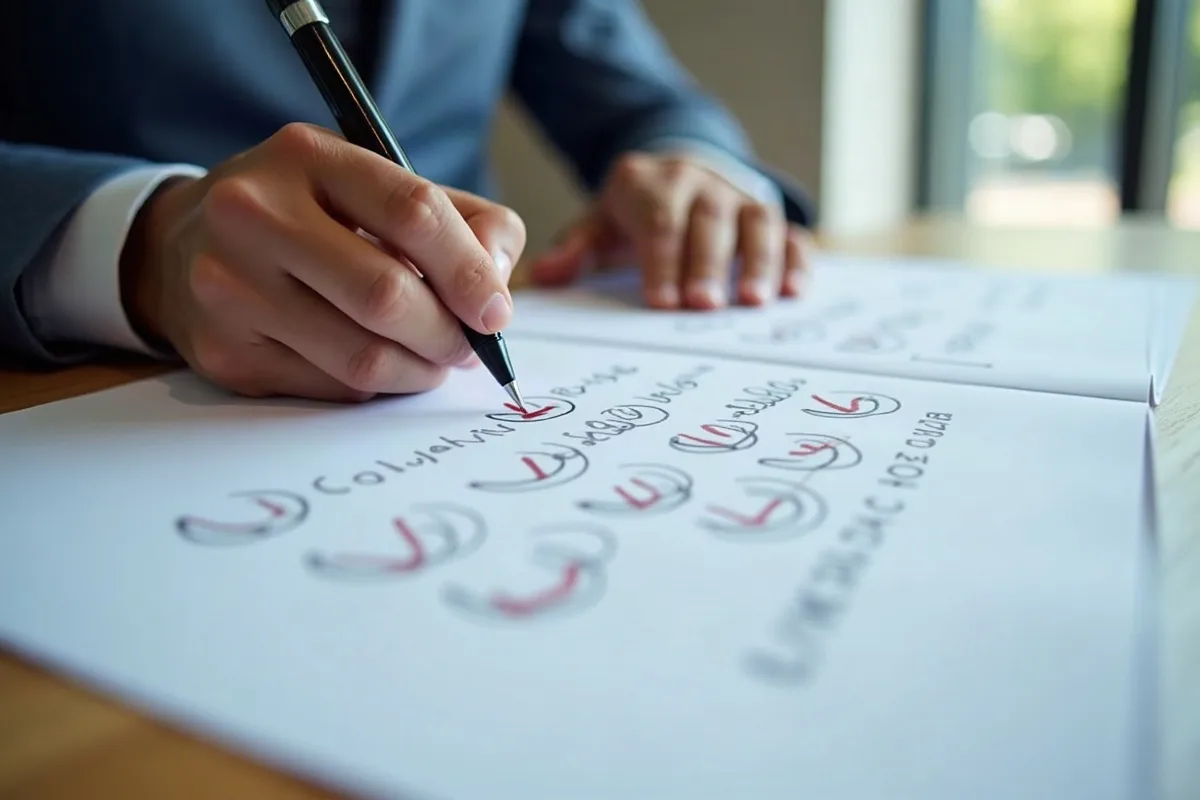
The ten checks
Ask these of each chat:
- 1. How long did the person wait?
- 2. Did the reply answer the question?
- 3. Did it use the person’s name or words?
- 4. Was it short enough to read at a glance?
- 5. Did it sound like a person?
- 6. Was there one clear next step?
- 7. Was the price or detail clear?
- 8. Was there pressure or false urgency?
- 9. Was there a follow up if the chat went quiet?
- 10. Would I send this to a friend?
Pick a check and copy the question
Choose a check, copy it, and answer it for five of your own chats.
Chat check picker
Before you use it
Change every [bracket] to something true.
Words that sound like you work better than a template. Nothing is sent from this page.

Two tips for reading chats
Ten checks, ten questions to ask the team
- Where do we reply slowest, and why?
- Which replies use the customer’s own words?
- Which replies are too long?
- Which replies end without a next step?
- Which replies ask too many questions?
- When do we share price?
- Where does our tone turn pushy?
- What do we promise that we cannot keep?
- How do we end chats?
- Which reply would I be proud to show a friend?
Print the list and use it in your weekly meeting. Pick one question per week and write one change. Over a quarter, you will see real differences.
A fuller worked example of one check
Check 4 asks: was there one clear next step? Look at two endings of the same chat.
Ending A offers four paths and no clear one. Ending B offers one. People respond better to one easy question.
A fuller worked example of another check
Check 7 asks: did the tone feel warm, not pushy? Compare these.
Pushy messages create pressure, which makes people leave. Warm messages make people feel safe.
Running a team teardown
- Pick five chats and remove names.
- Give each person one chat to score with the ten checks.
- Share scores and reasons, not blame.
- List the top three fixes.
- Try the fixes for a week and review.
A short teardown once a week makes the whole team better at noticing details.
What good looks like
A good chat does not need to be perfect. It answers the question, treats the person as a human and ends with one clear step. If most of your chats do that, you are in good shape. If many do not, pick one check and improve it this week.
A 7 day action plan
A seven day way to run your own teardown.
- Day 1: pick five chats.
- Day 2: run the ten checks.
- Day 3: find the two weakest checks.
- Day 4: write fixes.
- Day 5: use them in live chats.
- Day 6: run the checks on five new chats.
- Day 7: compare the two rounds.
A checklist before you start
- Did I remove names?
- Did I score honestly?
- Did I pick two fixes just?
- Did I test them?
- Did I compare weeks?
Mistakes brands make here
- Fixing everything at once.
- Blaming people.
- Skipping the check on your own chats.
- Never repeating the review.
- Sharing private data.
How to use this list
Take any chat you have, one from a customer, a lead or a client, and read it with these ten checks beside you. Mark each one yes, partly or no. I do not have a verified benchmark for what a good score looks like, so use the list to find fixable details, not to give a grade.
A teardown is a careful look at what is working and what could be clearer, done with respect for the people in the chat.
The ten checks
- Did the opening reply arrive on the same day?
- Did it use the person’s name and their words?
- Was the answer clear and short?
- Was there one clear next step?
- Did the reply ask one question, not three?
- Was the price shared at a fair moment?
- Did the tone feel warm, not pushy?
- Was anything promised that could not be kept?
- Did the chat end with a clear close or follow up?
- Would I be happy to receive this reply myself?
How to read your results
A worked example, illustrative
Imagine a chat where a customer asks about delivery. The reply arrives the next day, is long, and ends with a link and no question. The checks flag checks 1, 3, 4 and 5. The fix is a same day reply, a short answer and one question like “Does that date work for you?”. Nothing about the person or brand is real here. It just shows how the list works.
Rules for teardowns
- Remove names and details before you share a chat.
- Describe what you see, not who is to blame.
- Suggest one fix for each flag.
- Check your own chats too.
What this guide does not promise
It does not promise sales, income or results. It describes how I work and what you can expect.
Questions people ask
How many chats should I read?
Five is enough to see a pattern. Ten is better.
Do I need permission to read chats?
Read chats your own team already has access to. Remove names before sharing anywhere.
What if my chats are all in Hindi?
The checks work in any language. Read them aloud in the language you use.
What should I fix before the others?
The check where five chats scored the worst.
Can I ask Madhur to review my chats?
You can message Madhur on WhatsApp. Remove private details before sharing.
Do I need to score all ten?
Yes if you can. If not, start with the opening five.
How often should I run the checks?
Once a week on five chats is a good habit.
THA Circle
Use AI. Still sound human.
A free WhatsApp channel for founders, coaches and creators who want AI to save time without losing the human touch.
- On joining A welcome pack: 3 AI prompts and 5 chat scripts you can copy today.
- Monday A short script for your own chats. Ten minutes to try.
- Wednesday One real chat taken apart, names removed.
- Friday Human of the Week. A moment a customer felt seen.
Free. Takes ten seconds. Channel followers stay private. Leave any time.
The Sunday note
How people pay attention, and how to earn it. One email a week.
I study AI, attention, human psychology and marketing. Every Sunday I send one idea and one script for your chats. Five minutes to read. Reply any time, I read every answer.
Get the Sunday noteFree. Leave any time. Your email stays private.
Written by Madhur Tyagi, founder of The Human Algorithm. 8+ years, 25+ brands, since 2017.
Scope note: Scripts and plans are examples, not a promise of results. Nothing on this page is sent unless you press the WhatsApp button. No outside facts or rates are quoted.
 How THA checks its work
 The Human Algorithm Circle
 How THA checks its work