Fast AI replies can feel cheap. Show the work (the labor illusion)
By Madhur Tyagi · · 7 min read
In short
A reply that arrives in two seconds with no sign of effort can feel cheap, even when it is right. Harvard research on the labor illusion found people valued a service more when they could see the work behind it. So show what you checked, keep the answer specific, and never fake a delay.
Why trust this: written by Madhur Tyagi, founder of The Human Algorithm. 8+ years in performance marketing, 25+ brands since 2017, ₹1Cr+ in ad spend managed across 9+ clients, and DM automation since 2018.

Picture Ishaan. He sells made to measure kurtas from Jaipur for ₹3,500.
His new bot replied to every buyer in two seconds: “Yes, available! Order here.” Buyers kept asking, “Did you check my size?”
Ishaan is made up. The pattern is real, and a Harvard study explains why speed alone did not win trust.
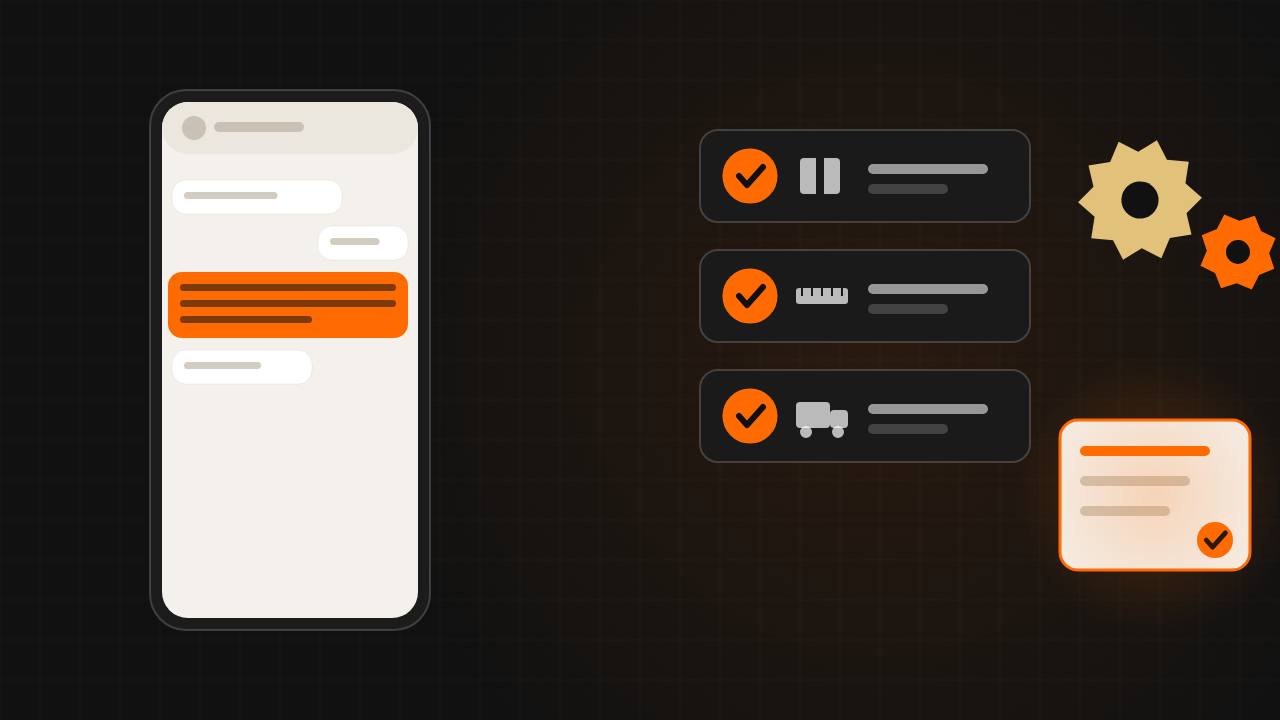
Bots and quick reply tools now answer buyers in seconds. That sounds like a pure win. Often it is.
But a reply that lands in two seconds with no sign of thought can feel like a form letter, even when it is correct. Keep the speed and show the real work behind the answer: what you checked, for whom, and what you found.
This works for any business where buyers want to feel looked after, like custom clothing, furniture, coaching or skincare. The study below was read in full on 26 October 2026.
Key takeawayKeep replies fast. Show what you checked, and make the answer complete.
I have spent 8+ years in performance marketing, with 25+ brands since 2017, and I have set up DM automation since 2018. The replies buyers trusted most were the ones that showed what had been checked.
The labor illusion in four numbers
Up next You know speed alone can feel cheap. Next: the Harvard study behind the labor illusion.
What is the labor illusion?
It is the finding that people value a service more when they can see the work being done for them. Ryan Buell and Michael Norton of Harvard Business School named it in 2011 in the journal Management Science (volume 57, issue 9).
They ran five experiments on simulated travel and dating websites. In one, people compared a site that returned results at once with a site that made them wait while showing its work, like “searching airline 12 of 50”. With the work shown, 62% chose the site with a 30 second wait and 63% chose the one with a 60 second wait. With a plain waiting screen, those numbers fell to 42% and 23%.
The results were the same in every case. Seeing the effort changed how much people valued them. People also felt the site had worked hard for them, and they wanted to give something back.
Do fast replies really feel cheap?
They can, when speed is all the buyer sees. A two second reply that skips the details tells the buyer nobody looked at their question.
Picture Ishaan's Friday. Sana asks at 9:10 PM: “Do you have the navy kurta? My chest is 40 inches, and I need it in Pune by Diwali.” Two seconds later, the bot replies: “Yes, available! Order here 👉” with a link.

Sana wonders. Did it check her size? Will it reach Pune by 8 November? She writes, “Did you check my size?” The bot sends the same link again. She closes the chat.
From our own data: On 25 October 2026, The Human Algorithm sent the same short buying question to 15 Indian D2C brands. 4 of them answered in a site chat. All 4 replies came from bots, all within about 3 minutes, and 3 within half a minute. Yet 2 of the 4 answered both parts of the question. Speed was common. Complete answers were not. This is an early sample from day 1 of our Reply Report 2026, with no brand named. It updates after 1 November 2026.
Where does the labor illusion stop working?
When the result is bad, or the effort is fake. In the dating site experiment, showing the work made a good match feel better, but made a poor match feel worse. And the authors wrote that showing real effort is fine, while creating a fake illusion of effort “moves closer to an ethical boundary”.
So show work you really did, on answers that really help. Never add fake typing or a fake delay to look busy.
From fast to trusted
The show the work reply
- 1Show the checksin the replySize, stock, pin code, date.
- 2Working linereal lookupsOne true line, then the answer.
- 3Answer fullyevery partEffort helps a good answer.
- 4Keep it realalwaysNo fake typing, no fake waits.
- 5Carry it overhandoverThe person already knows.
Each step below turns a fast reply into one that shows care.
Up next Step 1 is one line added to the replies you already send.
1. Do you show what you checked?
You should. Name the two or three things you looked at for this buyer, inside the reply. Stock, size, pin code and delivery date are the common ones.
Ishaan's bot said “Yes, available!” and nothing else.

Why it matters: In the study, seeing the steps made the same result feel worth more. A buyer who sees “I checked your size and your pin code” knows someone read their whole question.
Do this: “I checked three things for you: your size, our stock in Jaipur and delivery to your pin code.” Then give the answer to each.
Up next The buyer sees what you checked. Next: what to say while a real lookup runs.
2. Do you send a short working line for real lookups?
Yes, when a real lookup takes time, like checking stock across stores, a custom quote or a courier date. One honest line, then the answer.
Ishaan's bot never said what it was doing, so a slow answer looked like no answer.
Why it matters: A plain waiting screen did badly in the study. A screen that showed the work did well. On WhatsApp, a line like “checking now” is the work screen.
Do this: “Checking the navy kurta in size L and delivery to 411038 for you now.” Send it when the next message really takes a moment. If the answer is ready, skip it and send the answer.
The same question
Before
Navy kurta? Chest 40. Need it in Pune by Diwali.9:10 PM
Yes, available! Order here 👉9:10 PM
Did you check my size?9:12 PM
After
Navy kurta? Chest 40. Need it in Pune by Diwali.9:10 PM
I checked your size, our stock and Pune delivery. Size L is in stock. Stitched in 5 days, in Pune by Sat 7 Nov. ₹3,500.9:10 PM
Perfect, ordering now.9:13 PM
Thank you, Sana! Want a name on the inner label?
Up next Waiting now shows work. Next: making sure the answer is complete.
3. Is the answer specific and complete?
It must be. Answer every part of the question with exact facts: the size, the price, the date. Effort helps when the result is good.
Sana asked about size and delivery. The bot answered neither.
Why it matters: The study found that showing the work made a poor result feel worse. A complete answer is what makes the shown work pay off. In our early sample, half of the fast bot replies missed part of a simple question.
Do this: “A 40 inch chest is size L in our chart. The navy kurta in L is in stock at our Jaipur workshop. We stitch it in 5 days and it reaches Pune in 3 more, so by Saturday 7 November, before Diwali. It is ₹3,500.”
Up next The answer is complete. Next: the line you never cross.
4. Do you keep the work real?
Always. Never add fake typing, fake waits or fake “searching” messages. Show steps that really happened, and keep replies quick.
Ishaan once thought of adding a 30 second delay so the bot would “look human”. He did not.
Why it matters: Buell and Norton warned that faking effort moves toward an ethical line. Buyers who catch a fake delay stop trusting everything else. Real steps, shown briefly, are enough.
Do this: List the real checks your team or bot does for each common question. Show those, and nothing more. If a check is not done, do not mention it.
Speed tells a buyer you are there. The details tell them you listened.
Up next Everything shown is real. Next: keeping the work when a person steps in.
5. Does the handover carry the work with it?
It should. When a person takes over from the bot, they should already have the details, and the buyer should see that.
When Ishaan stepped in himself, he used to ask, “What size do you need?” Sana had said it twice already.
Why it matters: Asking a buyer to repeat themselves erases all the work they saw. Carrying the details forward shows the effort was real.
Do this: “Hi Sana, Ishaan here. I have your size L, the navy kurta and delivery to Pune by 7 November. Shall I add your name on the inner label as a gift?”
| Step | What you do | What it does |
|---|---|---|
| 1. Show the checks | Name what you looked at | The same answer feels worth more |
| 2. Working line | One true line for real lookups | A wait that shows work feels shorter |
| 3. Answer fully | Every part of the question | Shown effort pays off |
| 4. Keep it real | No fake typing or delays | Trust stays intact |
| 5. Carry it over | The person already has the details | The buyer never repeats |
A framework by The Human Algorithm.
Key takeawayShow what you checked, use a working line for real lookups, answer fully, keep it real, carry the work over.
Up next The plan is set. Next: what changed for Ishaan, and what it is worth to you.
What changed for Ishaan?
He kept the same bot, the same kurtas and the same speed. He changed what each reply shows.
Every answer now names what was checked: size, stock and delivery. Real lookups get one short working line. Answers cover every part of the question. Nothing is faked. When he steps in, he already has the details.

Sana's next message would get a reply that shows the work and gives her a date before Diwali. Replies still arrive in seconds. They just do not feel cheap any more.
Key takeawayReplies still arrive in seconds. They just do not feel cheap any more.
How much are replies that show the work worth?
Every fast reply that skips the details is a buyer who wonders if anyone read their question.
It depends on how many chats you get, how many buy now, and your average order. Put your own numbers in the calculator below. The starting numbers are examples. Swap in yours.
Use your numbers from last month. The highlighted line is the money clearer, complete replies could add from the same chats.
The show the work reply in one place
| Step | Example line | Rule |
|---|---|---|
| 1. Show the checks | I checked your size, our stock in Jaipur and delivery to your pin code. | Name 2 or 3 real checks |
| 2. Working line | Checking size L and delivery to 411038 for you now. | Use it when a lookup takes time |
| 3. Answer fully | Size L, in stock, in Pune by Sat 7 Nov, ₹3,500. | Every part of the question |
| 4. Keep it real | (No fake typing, no fake delay.) | Show steps that really happened |
| 5. Carry it over | Ishaan here. I have your size L and delivery to Pune. | Never ask the buyer to repeat |
A framework by The Human Algorithm.
Score your fast replies on the 5 checks
0/100
Show the work score
Tick what is true for your replies today
Each tick updates your score. Use what happened last month.
Useful? Send it to your team or keep the checklist.
Opens WhatsApp with the link ready. You choose who gets it. Save gives you a one page checklist to print or keep as a PDF.
What should you remember?
- A reply that is fast but shows no effort can feel cheap.
- People valued a service more when they could see the work behind it.
- Name what you checked, like the size, the stock and the delivery date.
- Use one short working line for real lookups.
- Make the answer complete, because effort makes a poor answer feel worse.
- Never fake typing or delays, and carry the details into the handover.
Sources
- Buell, R. W., and Norton, M. I. (2011). The Labor Illusion: How Operational Transparency Increases Perceived Value. Management Science, 57(9), 1564 to 1579. Read in full on 26 October 2026 (author copy on the Harvard Business School website): five experiments on simulated travel and dating websites, Experiment 2 choice shares (62% and 63% with the work shown, 42% and 23% without), the poor outcome result and the ethical note.
- The original data comes from day 1 of The Human Algorithm's Reply Report 2026: one short buying question sent to 15 Indian D2C brands on 25 October 2026, 4 answered in a site chat, all by bots. Early sample. Brand names are not shared. The full report updates after 1 November 2026.
- Diwali 2026 falls on Sunday 8 November, per Drik Panchang's 2026 Diwali calendar for New Delhi (read 26 October 2026).
- Proof numbers are from Madhur Tyagi's own client work since 2017.
Ishaan, Sana and their numbers are made up to show the method. They are illustrations.
Questions people ask
What is the labor illusion in simple words?
People value a service more when they can see the work being done for them. Harvard researchers found that people sometimes preferred a website that made them wait while showing its work over one that gave the same results at once.
Should I slow down my bot so it seems more human?
No. Keep replies quick and show the real steps instead, like the size, stock and delivery you checked. The researchers said faking effort moves toward an ethical line, and buyers who notice a fake delay stop trusting you.
Are fast replies bad for sales?
No. Fast replies help. The problem is a fast reply that skips the details. A quick answer that names what was checked and covers every part of the question gives the buyer both speed and care.
What should a bot say while it checks something?
One short, true line, like “Checking the navy kurta in size L and delivery to 411038 for you now.” Send it when the next answer really takes a moment, then reply with every detail.
Does showing the work help if the answer is no?
It can make a no feel worse, according to the study. So when the answer is no, lead with a helpful option, like a similar item in stock or a new date, and keep the shown steps short.
How do I show the work when a person takes over?
Pass the details from the bot to the person, then have them open by repeating what they already know: “I have your size L and delivery to Pune by 7 November.” The buyer sees the work was real and never repeats themselves.
Know a founder whose bot replies fast but still loses buyers? Send them this.
Opens WhatsApp with the link ready. You choose who gets it.
THA Circle
Use AI. Still sound human.
A free WhatsApp channel for founders, coaches and creators who want AI to save time without losing the human touch.
- On joining A welcome pack: 3 AI prompts and 5 chat scripts you can copy today.
- Monday A short script for your own chats. Ten minutes to try.
- Wednesday One real chat taken apart, names removed.
- Friday Human of the Week. A moment a customer felt seen.
Free. Takes ten seconds. Channel followers stay private. Leave any time.
The Sunday note
How people pay attention, and how to earn it. One email a week.
I study AI, attention, human psychology and marketing. Every Sunday I send one idea and one script for your chats. Five minutes to read. Reply any time, I read every answer.
Get the Sunday noteFree. Leave any time. Your email stays private.
 Should your WhatsApp bot say it is AI?
 How fast should you call an ad lead?
 We messaged 75 Indian brands as a buyer