How to get the second order: a WhatsApp plan for repeat customers in Indian D2C
By Madhur Tyagi · · 6 min read

Meera's coffee had happy buyers. Her reviews said so.
Then those buyers vanished. She paid Meta again to find new ones every month.
Meera is a made up Coorg coffee founder. If you keep buying the same customer twice, you know her month.
The short answer
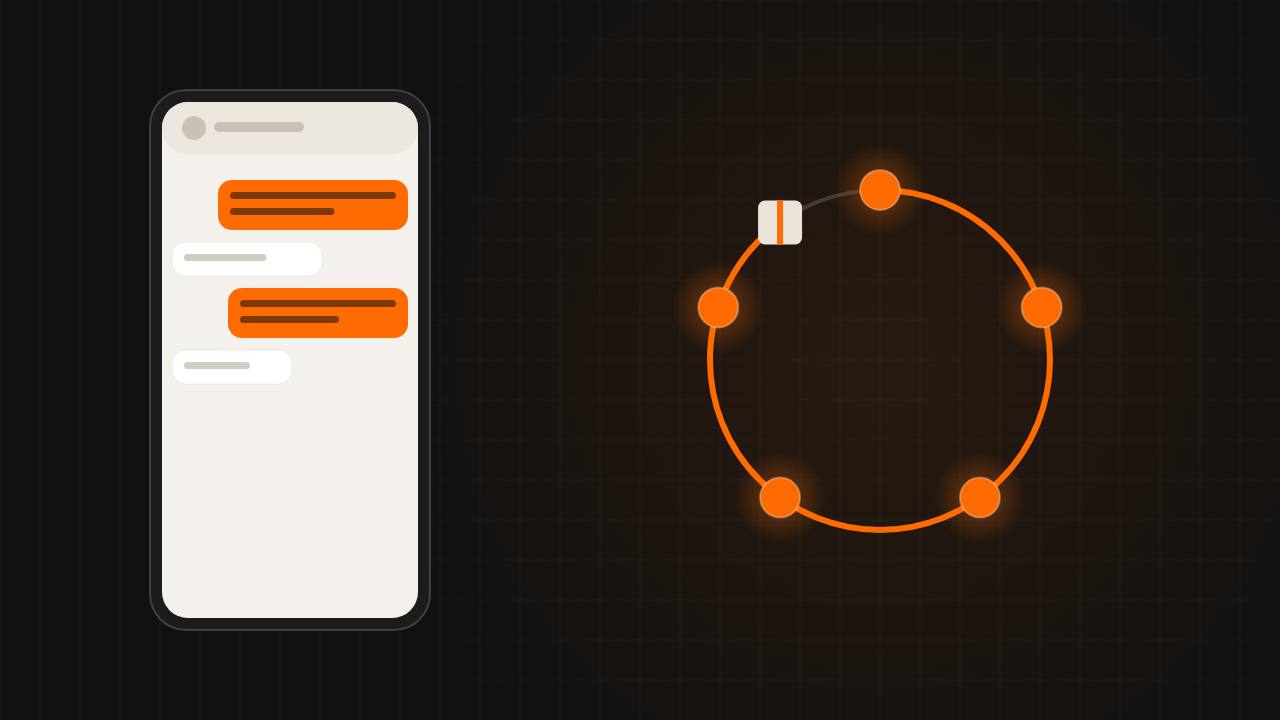
Bring buyers back with five WhatsApp messages tied to their order, not to your sale calendar: a welcome reply when they order, a check in after delivery, a review ask a week later, a reorder reminder before they run out and a reason to return that is not a discount. Ask for consent at checkout and stop when they say stop.
The opening order is expensive. You paid for the ad, the click, the doubt and the delivery. On many D2C products, that opening order barely breaks even.
The second order is different. No ad. No stranger to convince. Just a buyer who already liked you. The second order is where a D2C brand starts to make money.
Yet most brands treat a delivered order as the end. Then they send a “MEGA SALE” broadcast to everyone once a month and wonder why people mute them. There is a calmer way, and it runs on WhatsApp, where your buyer already is. Before your next broadcast, read how to send WhatsApp broadcasts without getting your number banned.
Key takeawayYour ads pay for the opening order. The second order is where a D2C brand starts to make money.
I have worked with 25+ brands since 2017. I ran a ₹15 lakh launch for Evocus H2O end to end, from ads to delivery follow up. The pattern holds everywhere I have looked: the brands that grow are the ones that talk to buyers after the box arrives. This guide gives you five messages that do it. Message 4 is the one that brings the money back, and most brands send it at the wrong time.
Why the second order matters
Up next You know the second order is where profit lives. Next: why happy buyers drift, and the five moments that bring them back.
Why do happy buyers not come back?
Meera sells single estate coffee. A 250 g bag costs ₹649. Her buyers love it. They leave five star reviews. Then most never order again.
She thought they did not like it enough. That was not it. They simply forgot. The bag ran out on a busy Tuesday. They bought whatever was at the store downstairs. Her brand was not in their head at the moment of need.
A buyer does not leave you in anger. They drift. Your job is to be there at the right moments, with something useful to say. Not every week. Just at the five moments that matter. In wedding season the clock is even shorter. See how to close wedding season leads in 48 hours.
The second order timeline
Five moments, tied to each order
- 1Welcome replyminutes after orderThanks by name, product, delivery window, an open door for questions.
- 2Check in2 days after deliveryOne useful tip. No selling.
- 3Review askabout day 7One line, one link or one word reply.
- 4Reorder reminderbefore they run outTheir product, their size, a ready cart. Timed to use, not the calendar.
- 5A reason to returnonce or twice a monthEarly access, refill or a bundle. Always a way to stop.
Up next Message 1 goes out minutes after the order, when the buyer is paying the most attention.
1. Does every order start with a welcome reply?
Meera's buyers got a plain order email. Many never saw it. The opening touch, the one moment every buyer is paying attention, went to waste.
Why it matters: Right after paying, a buyer is excited and a little nervous. A warm, clear message calms them and starts the chat on WhatsApp.
Do this: Send a welcome reply on WhatsApp within minutes of the order: thank them by name, confirm the product and the delivery window and tell them they can reply with any question. Send it to buyers who ticked the WhatsApp box at checkout. Meta's rules for the WhatsApp Business Platform ask for that consent, with your business name.
Up next Every order now starts warm. Then the parcel lands, and nobody tells the buyer how to brew it right.
2. Do you check in after the box arrives?
When the parcel lands, Meera's buyer opens the bag, smells it and wonders how to brew it right. Nobody tells them.
Why it matters: The opening cup decides the second bag. If the buyer brews it badly, they blame the coffee.
Do this: Two days after delivery, send one useful message. No selling. For Meera: “Your coffee should be with you. For a pour over, use 15 g for 250 ml water just off the boil. Want the French press version?” A useful tip earns a reply. A reply opens the free service window on WhatsApp, which our guide on the WhatsApp and Messenger 24 hour rule explains.
Up next The tip earns a reply. Now, when do you ask for a review so people actually leave one?
3. Do you ask for a review at the right moment?
Meera asked for reviews on the order email, before the coffee had even shipped. Almost nobody left one.
Why it matters: People review what they have used. A week after delivery, they have opinions. That is when to ask.
Do this: About a week after delivery, ask in one line and make it easy: one link, or one question they can answer right in the chat. “How is the coffee so far? One word is enough.” If they say something kind, ask if you can share it. If they complain, a person replies the same day.
Up next Reviews start coming in. Next is the message that brings the money back, and most brands send it on the wrong day.
4. Do you remind them before they run out?
This is the message that brings the money back, and most brands send it at the wrong time. Meera's old reorder push went out on the 1st of every month, to everyone, whether they had just ordered or not.
Why it leaks: A reminder that comes too early is noise. Too late, and they already bought elsewhere. The right time depends on the product, not the calendar.
The reorder message
Before
MEGA SALE! Flat 40% off everything this weekend. Shop now!1st of the month, to everyone
After
Hi Arjun, your Attikan Estate 250 g should be running low around now. Want the same grind again? Here is a ready cart. Reply if you want to try the darker roast instead.day 18 after delivery
Yes please, same grind.
Done. It ships tomorrow. Thank you for coming back!
Do this: Work out how long one unit lasts. A 250 g bag at two cups a day lasts about three weeks. So the reminder goes on day 18 after delivery, a few days before they run out. Make it personal and easy: their product, their size, one link that opens a ready cart. If they do not reply, do not chase.
The right time to sell coffee is a few days before the bag runs out.
Up next The reminder lands before the bag runs out. One thing left: bringing people back without a 20% code.
5. Do you give them a reason to return that is not a discount?
Meera used a 20% code to win back old buyers. It worked once. Then buyers waited for the code.
Why it leaks: Discounts teach people to wait. They also eat the margin that made the second order worth having.
Do this: Give a reason that is about them, not price. Early access to a new roast for past buyers. A refill pack that is simply better value. A bundle that pairs with what they bought. Send it to past buyers who said yes to messages, at most once or twice a month. Every message carries a simple way to stop.
Key takeawayFive messages, each tied to the buyer’s own order. Not one of them is a sale blast.
Up next Five messages in place. Next: what changed for Meera, and what a second order is worth to you.
What happened to Meera?
Meera set up the five messages in a week. Welcome reply on order. Brew tip two days after delivery. A one line review ask on day 7. A reorder reminder on day 18. And a short note about a new roast, once a month, to buyers who said yes.
She dropped the monthly “MEGA SALE” blast to everyone. Fewer messages went out. More of them got replies.
Her ads still found new buyers. But now the people she had already paid for stayed close. The second bag stopped being luck.
Key takeawayBuyers do not leave you in anger. They drift. Be there at the five moments that matter.
What is a second order worth to you?
Every buyer who drifts away is one you will pay Meta to find again.
Use your own numbers. Even a small rise in buyers who come back adds up, because those orders carry no ad cost.
The 5 message plan in one place
| Message | When | Goal | Line to copy |
|---|---|---|---|
| 1. Welcome reply | Minutes after the order | Calm, start the chat | Hi [name], thank you! Your [product] arrives in [days]. Reply here with any question. |
| 2. Check in | 2 days after delivery | Help them use it right | Your [product] should be with you. Quick tip: [tip]. |
| 3. Review ask | About day 7 | A review from real use | How is the [product] so far? One word is enough. |
| 4. Reorder | Before it runs out | The second order | Your [product] should be running low. Same again? Here is a ready cart. |
| 5. Reason to return | Once or twice a month | Stay close, no discount | Past buyers get the new [product] two days early. Want in? |
A framework by The Human Algorithm.
Score your repeat order plan on the 5 messages
0/100
Repeat score
Tick what is true for your brand today
Each tick updates your score. Count what actually goes out, not what is planned.
Useful? Send it to your team or keep the checklist.
Opens WhatsApp with the link ready. You choose who gets it. Save gives you a one page checklist to print or keep as a PDF.
What should you remember?
- The second order costs no ad. It is where D2C profit lives.
- Research by Frederick Reichheld of Bain, cited by HBR in 2014, links a 5% rise in retention to 25% to 95% more profit.
- Send a welcome reply on WhatsApp right after the order, to buyers who agreed.
- Check in after delivery with a useful tip, not a sale.
- Ask for a review about a week after delivery.
- Time the reorder reminder to when the product runs out, not to your calendar.
- Give past buyers a reason to return that is not a discount. Always offer a way to stop.
Sources
- Harvard Business Review: The Value of Keeping the Right Customers, Amy Gallo, 29 October 2014 (opened 24 October 2026: research by Frederick Reichheld of Bain and Company shows increasing customer retention rates by 5% increases profits by 25% to 95%).
- Meta for Developers: Get opt in for WhatsApp (opened 24 October 2026).
- Proof numbers are from Madhur Tyagi's own client work since 2017.
Meera and her coffee brand are made up to show the method.
Questions people ask
How do I get repeat customers for my D2C brand in India?
Talk to buyers after the box arrives, at the moments that matter: a welcome reply when they order, a tip after delivery, a review ask a week later, a reorder reminder before they run out and a reason to return that is not a discount. Use WhatsApp, with their consent.
When should I send a reorder reminder on WhatsApp?
A few days before the product runs out. Work out how long one unit lasts at normal use and send the reminder then. A coffee bag that lasts three weeks gets a reminder around day 18 after delivery.
Is it okay to send promotional WhatsApp messages to past buyers?
Yes, when they agreed. Send them to past buyers who said yes to get messages from your brand. Meta's rules for the WhatsApp Business Platform ask for clear consent with your business name. Keep it to a message or two a month and always offer a way to stop.
Should I use discounts to win back old customers?
Use them rarely. A discount in every message teaches buyers to wait and eats your margin. Early access, refill packs and bundles bring people back without training them to hold out for a code.
How much do repeat customers add to profit?
It depends on your margins, but the effect can be large. HBR, citing Frederick Reichheld of Bain, reported that a 5% rise in customer retention can lift profits by 25% to 95%. Use the calculator on this page with your own numbers.
Can someone run this WhatsApp follow up for me?
Yes. The Revenue Desk runs your WhatsApp and Instagram chats like a sales desk. People send the messages, AI assists, and nothing about price goes out without your yes.
Know a founder who pays Meta for the same customer twice? Send them Meera’s story.
Opens WhatsApp with the link ready. You choose who gets it.
Want this handled for you? WhatsApp automation for D2C brands: what it is, what it costs and who builds it.
THA Circle
Use AI. Still sound human.
A free WhatsApp channel for founders, coaches and creators who want AI to save time without losing the human touch.
- On joining A welcome pack: 3 AI prompts and 5 chat scripts you can copy today.
- Monday A short script for your own chats. Ten minutes to try.
- Wednesday One real chat taken apart, names removed.
- Friday Human of the Week. A moment a customer felt seen.
Free. Takes ten seconds. Channel followers stay private. Leave any time.
The Sunday note
How people pay attention, and how to earn it. One email a week.
I study AI, attention, human psychology and marketing. Every Sunday I send one idea and one script for your chats. Five minutes to read. Reply any time, I read every answer.
Get the Sunday noteFree. Leave any time. Your email stays private.
 Is quick commerce worth it for your brand?
 A Christmas and New Year sale plan on WhatsApp
 Four messages for abandoned carts